
Why travel needs operational intelligence
Jan 1, 2026

Travel Operating Intelligence System: the end of technological chaos
The travel industry has never lacked tools: specialized CRMs, planning software, itinerary generators. Yet, producing a complex trip remains a constant challenge. Why? Because an abundance of features does not replace operational intelligence.
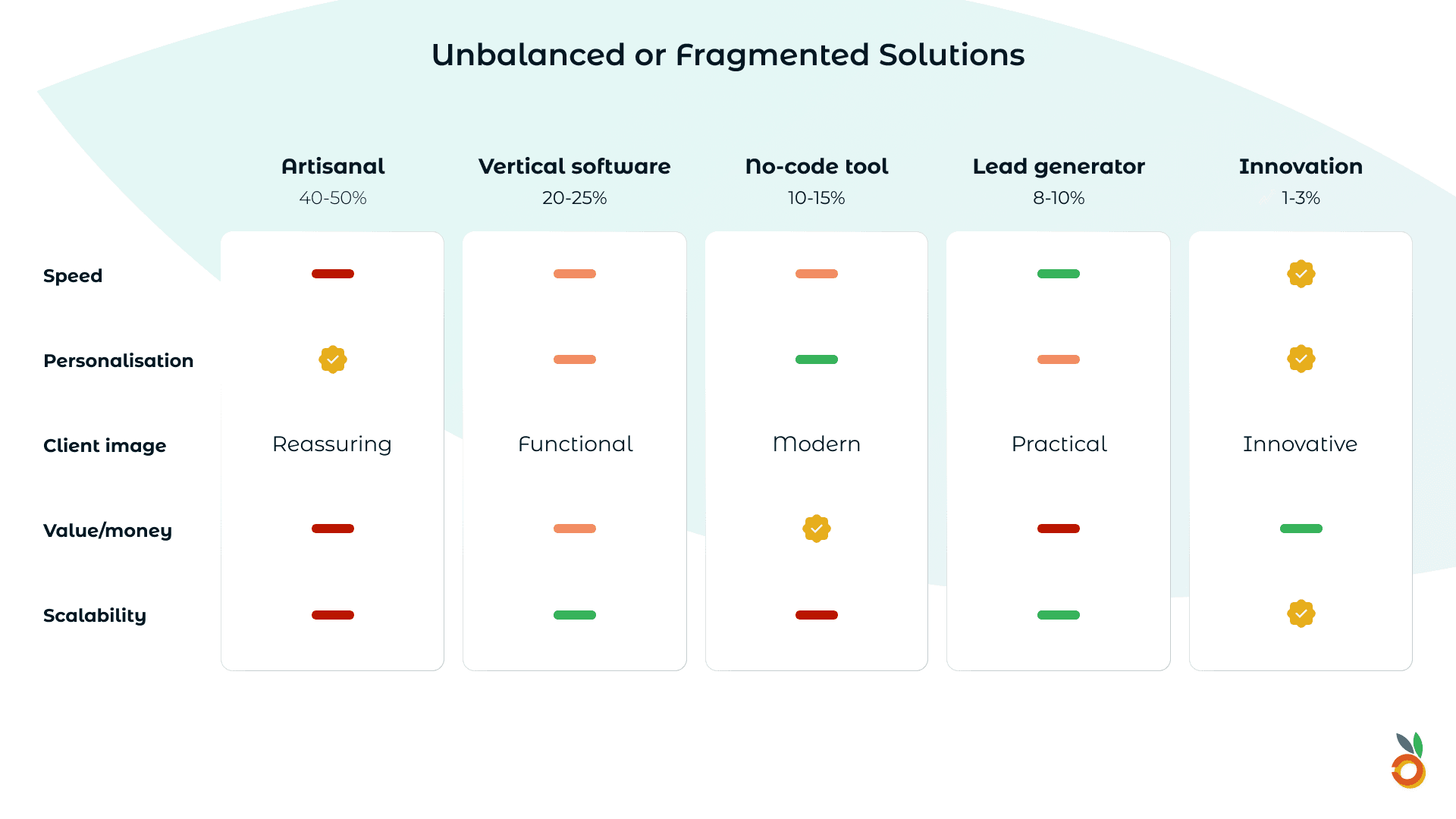
The failure of the "tool-stack" strategy
In the majority of organizations, there is a stacking of tools that do not communicate with each other.
The CRM tracks the customer but ignores the actual logistics.
Generative AI creates text but ignores budgetary or flight constraints.
Documents (PDF/Word) freeze information instead of keeping it alive.
This siloed operation forces teams to become "human gateways," losing precious time rewriting, verifying, and manually synchronizing already existing data.
Operating Travel: the paradigm shift
Shifting from management to operation transforms fragile craftsmanship into robust engineering.
Structured data: The itinerary is no longer a narrative but a set of logical "nodes".
Explicit processes: The system knows the dependencies (e.g., "do not confirm the hotel until the flight is validated").
Augmented expertise: Technology absorbs complexity so that humans can exercise their creative talent.
AI as a lever, not as a compass
In a Travel Operating Intelligence System (TOIS), AI changes its nature. It is no longer a gadget that "writes poems about Bali". It becomes a lever that:
Checks the consistency of itineraries in real time.
Generates logistical variations based on real data.
Translates and adapts content without loss of technical information.
Automating a poorly structured system means automating chaos. Operational intelligence, as proposed by Cocohop, provides the necessary structure for AI to finally become profitable.
A category on its own
A TOIS is neither a CRM nor a simple itinerary generator. It is the operating layer that connects all your technological bricks. It is the foundation that allows tour operators and DMCs to shift from a model of operational survival to a model of market dominance.
To Learn More...
An "Operating System" for travel, is it too complex for an SME?
On the contrary. It is precisely because an SME has few resources that it cannot afford to waste time on coordination errors. The structure allows for "more with less".
What is the difference between automation and operational intelligence?
Automation executes a repetitive task. Operational intelligence understands the context (the itinerary) and ensures that each automation remains consistent with the business rules of complex travel.
Does Cocohop replace my current CRM?
Not necessarily. Cocohop can interface with your sales tools to become the "operational mill" that transforms a business opportunity into a perfectly executed trip.
Why is the itinerary the "heart" of this system?
Because it is the only object that crosses all stages, from sales to on-ground experience. If the itinerary is structured as solid data, everything else (quotes, itineraries, payments) follows naturally.